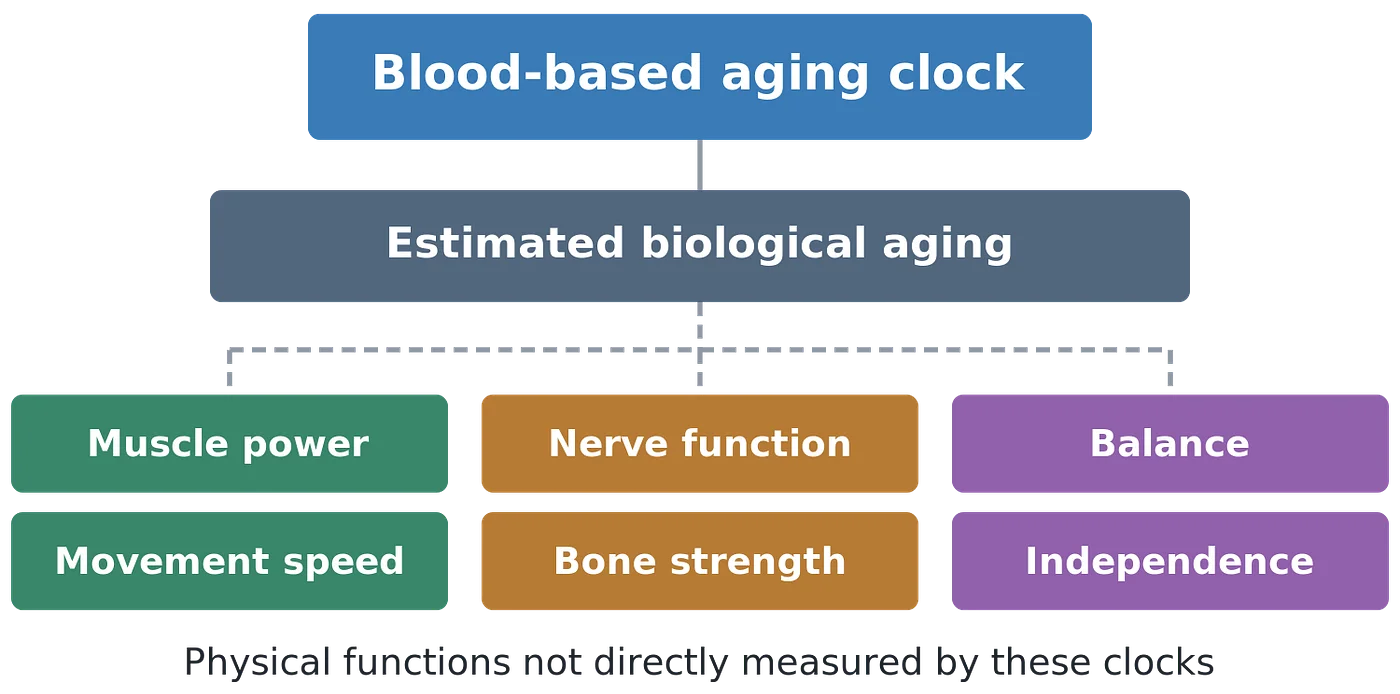
Figure 6. Blood-based biological aging clocks do not directly measure many of the physical abilities that influence how well people function as they grow older.
The researchers themselves acknowledge that current biological aging clocks do not capture all the changes that occur throughout the human body during aging. Until we establish that improving these readings also helps preserve the body's ability to function, we should be careful about interpreting changes in biological aging scores as proof that the entire body is aging more slowly.
Funding and Conflicts of Interest
Scientific research often requires considerable financial support, particularly when it involves hundreds or thousands of participants, repeated blood tests and expensive laboratory equipment. Commercial companies frequently provide some of that support. This does not automatically mean that the research is unreliable, but readers should be aware of the relationships between researchers and companies that may have a financial interest in the findings.
Several such relationships were disclosed on the first page of this scientific paper. Mars Edge, a division of Mars Incorporated involved in nutrition research and products, provided research grants for infrastructure support and donated study pills and packaging. Pfizer Consumer Healthcare, now Haleon, also donated study pills and packaging. The multivitamin examined in the study was Centrum Silver, supplied by Pfizer Consumer Healthcare. The cocoa extract was supplied by Mars Edge.
Another particularly relevant company was FOXO Technologies, which provided support for generating and preparing the DNA methylation data used in the biological aging investigation. One of the researchers was also a former employee of FOXO Technologies. These and other disclosed relationships are presented in Table 4.
| Mars Edge |
Research grants, infrastructure support, study pills and packaging |
| Pfizer Consumer Healthcare |
Study pills and packaging |
| Haleon |
Research grants, lecture payments and/or travel support |
| FOXO Technologies |
Research grants, DNA methylation data support and former employment of an author |
| Pure Encapsulations |
Research grants to an author |
| American Pistachio Growers |
Research grants to an author |
| BASF |
Lecture payments and/or travel support |
| Council for Responsible Nutrition |
Lecture payments and/or travel support |
| Massachusetts Life Sciences Center |
Research grants to an author |
Table 4. Selected commercial and organizational relationships disclosed in the scientific paper. Not all relationships represent direct funding of this particular investigation.
The researchers also disclosed individual relationships. JoAnn E. Manson and Howard D. Sesso received investigator-initiated grants from Mars Edge and donations of study materials from Pfizer Consumer Healthcare. Howard D. Sesso disclosed additional research grants from several organizations, including FOXO Technologies, Pure Encapsulations and Haleon, as well as payments and/or travel support for lectures from several organizations. Pamela M. Rist disclosed donations of study pills and packaging from Mars Edge for another research trial funded by the National Institutes of Health. Brian H. Chen was formerly employed by FOXO Technologies.
These relationships were openly disclosed in the scientific paper. They are not evidence that the researchers manipulated their findings or that the companies influenced the conclusions. Nevertheless, when a study examines commercial supplements using biological aging measurements supported by a company involved in that field, readers deserve to know about these relationships when evaluating the results.
What the Researchers Themselves Acknowledge
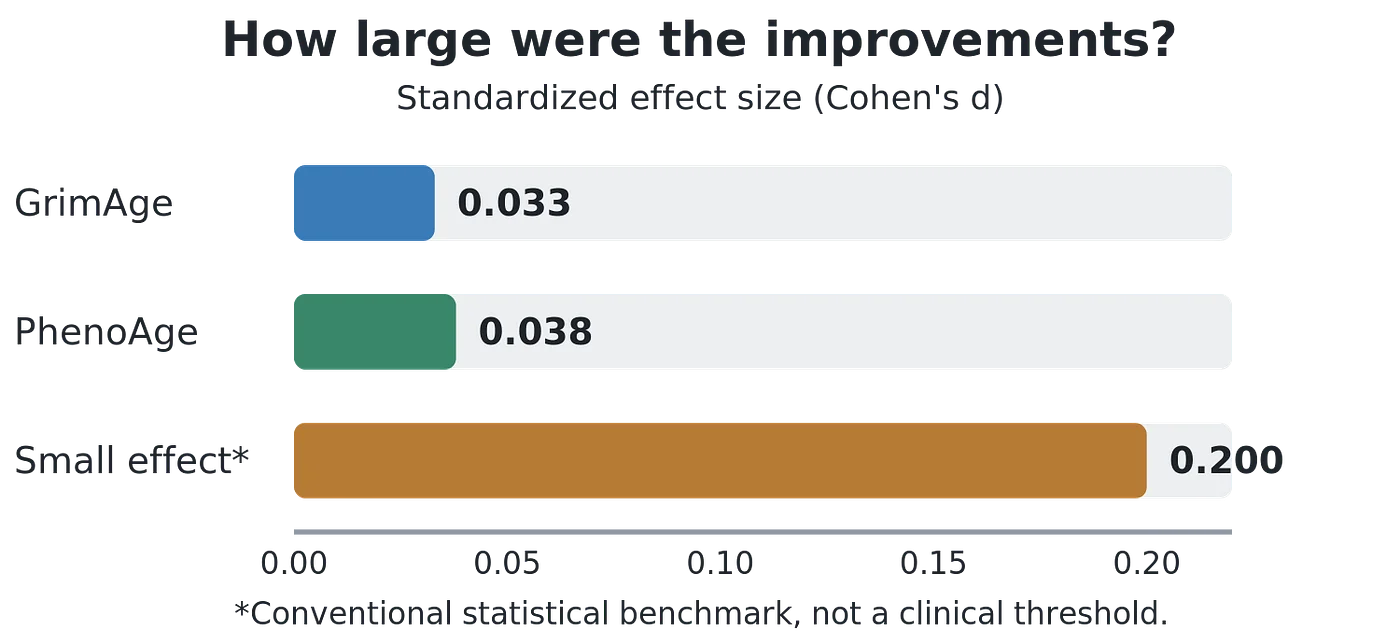
Despite the positive findings reported for two of the biological aging clocks, the researchers acknowledge several important limitations. They recognize that the improvements were small, that the biological aging tests do not capture everything that happens during aging and that further research is needed to establish whether changes in these measurements lead to meaningful improvements in human health. They also acknowledge that the study lasted only two years and involved predominantly older white adults. Whether similar results would occur in younger people or other populations remains uncertain.
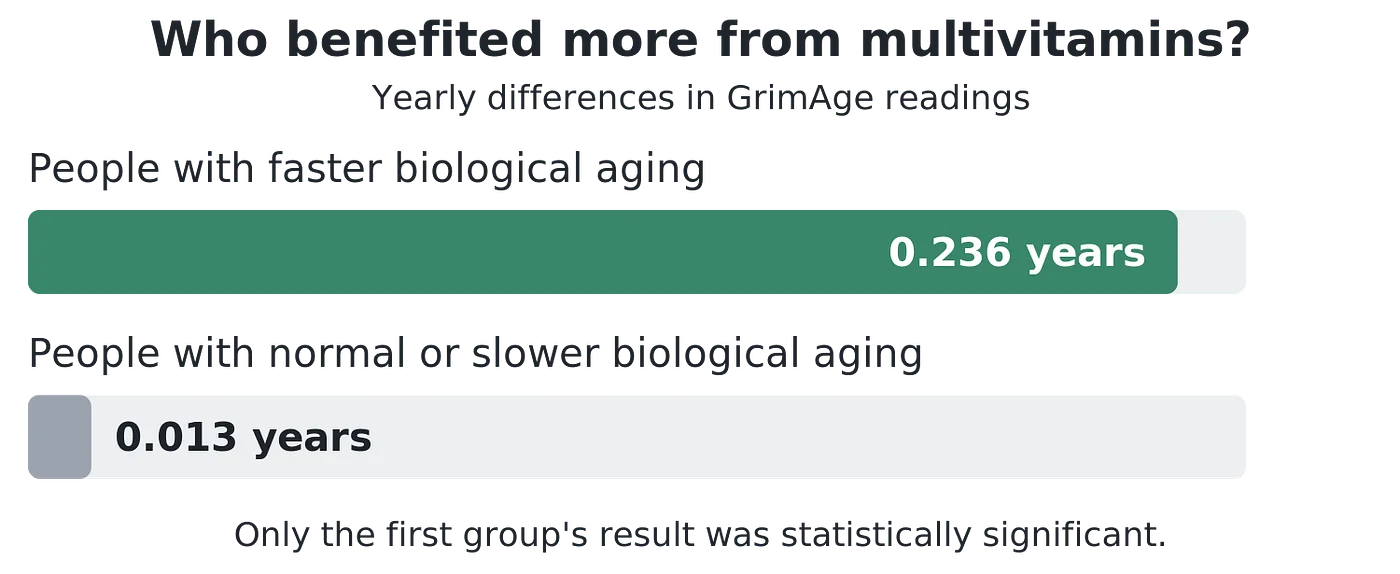
The researchers suggest that taking a multivitamin could potentially provide greater benefits to people who have inadequate nutritional intake. This is an interesting possibility that deserves further investigation. However, the study does not establish that taking a daily multivitamin will extend human lifespan or preserve the body's overall ability to function as we grow older.
My Perspective
There is no magic pill, no magic food and no modern-day ambrosia that will protect us from aging. For decades, millions of people have taken multivitamins, consumed cocoa and eaten foods that are now being promoted for their potential longevity benefits. Yet people have continued to grow old, become frail, develop diseases and die.
So what exactly are we searching for?
I am not questioning the importance of vitamins, minerals or nutritious foods. Our bodies need these things to remain healthy, and correcting a nutritional deficiency can certainly improve someone's health. But there is a considerable difference between improving someone's health and slowing down the aging process itself. If taking a multivitamin changes the reading on a biological aging clock, does that mean the person will remain physically capable for longer? Will they retain their strength, speed, balance and ability to move independently as they grow older? Will they live longer? These are the questions that need answering.
We must be careful not to confuse a small improvement in a number calculated from a blood sample with a meaningful change in how the entire human body ages. Rather than continuing to search for a miracle substance, perhaps we should pay more attention to what actually deteriorates in the human body as we grow older and what we can do to preserve it.
Conclusion
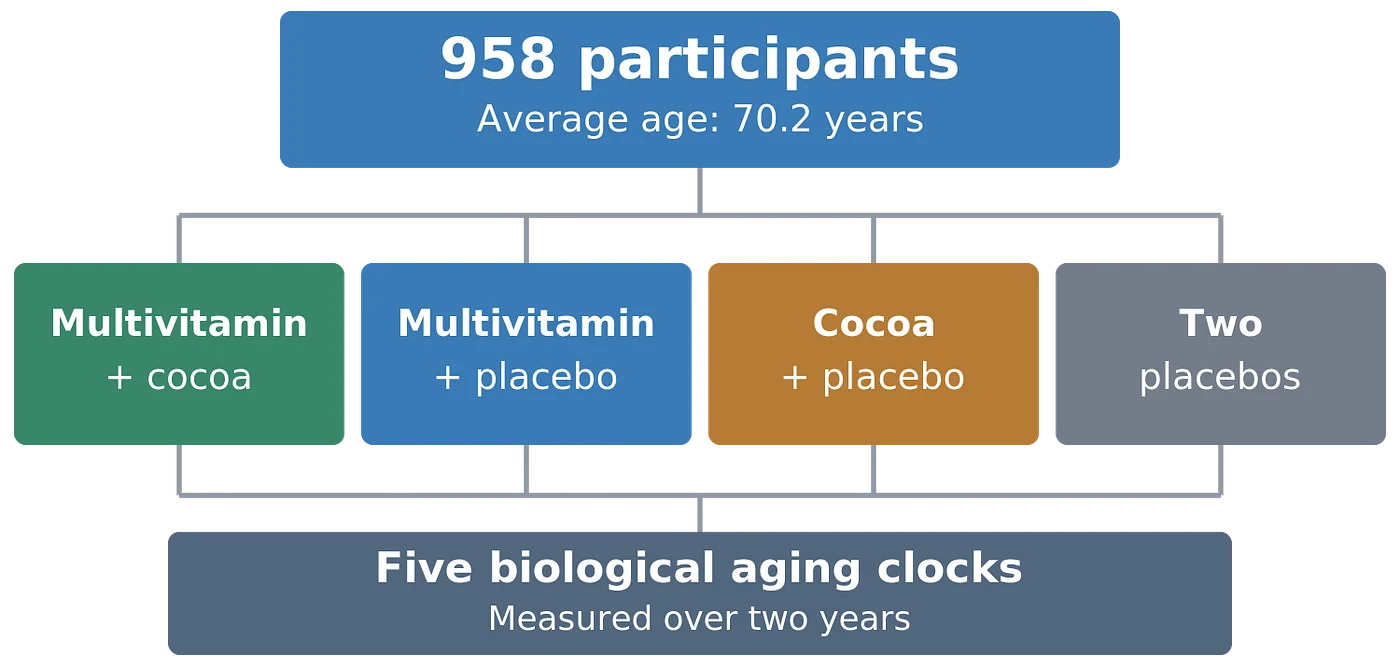
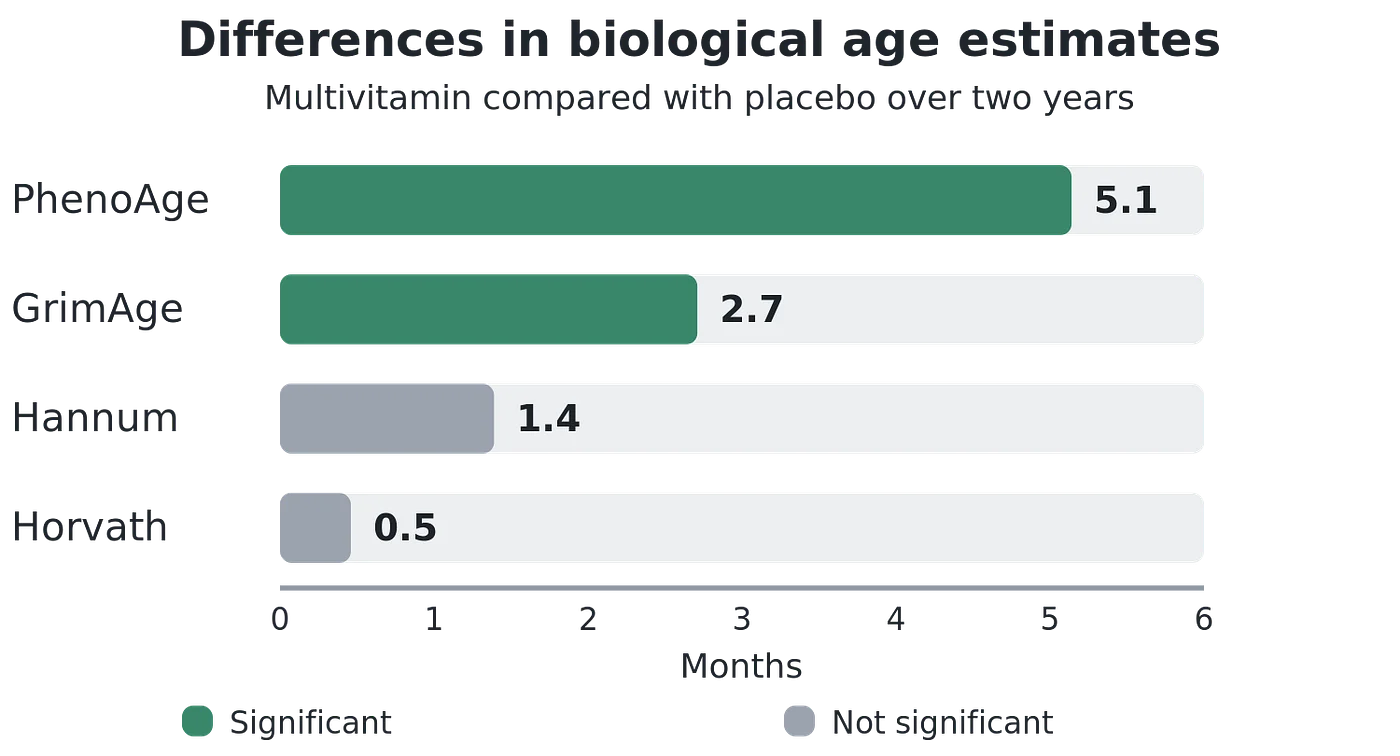
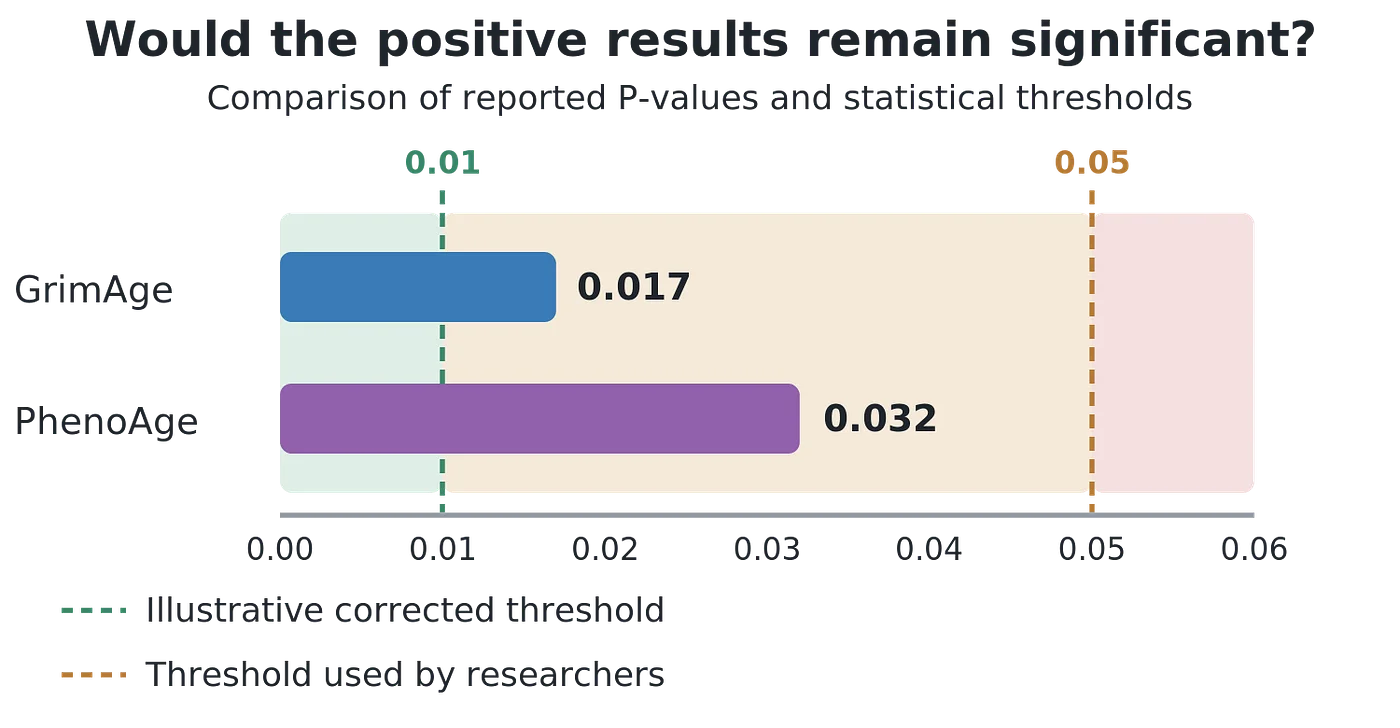
The COSMOS investigation provides some evidence that taking a daily multivitamin may slightly influence certain biological aging measurements in older adults. However, only two of the five biological aging clocks showed statistically significant improvements, and the size of those improvements was extremely small. Cocoa extract failed to produce significant improvements in any of the five aging clocks. The absence of statistical adjustments for multiple comparisons, the limitations of blood-based biological aging measurements and the lack of demonstrated long-term health benefits associated with these changes all need to be considered when interpreting the findings. The commercial relationships disclosed in the paper also deserve attention, although they do not automatically invalidate the research.
Multivitamins can play an important role in helping people obtain essential nutrients, particularly when their diets do not provide adequate amounts. Cocoa and other nutritious foods may also provide valuable health benefits. But demonstrating that a substance supports good health is not the same as demonstrating that it slows human aging.
Until further research establishes that these small changes in biological aging scores translate into meaningful improvements in how long and how well people live, the findings should be interpreted with appropriate caution.
Reference
Li, S., Hamaya, R., Zhu, H., Chen, B. H., Pereira, A. C., Ivey, K. L., Rist, P. M., Manson, J. E., Dong, Y., & Sesso, H. D. (2026). Effects of daily multivitamin–multimineral and cocoa extract supplementation on epigenetic aging clocks in the COSMOS randomized clinical trial. Nature Medicine, 32, 1012–1022.
https://doi.org/10.1038/s41591-026-04239-3