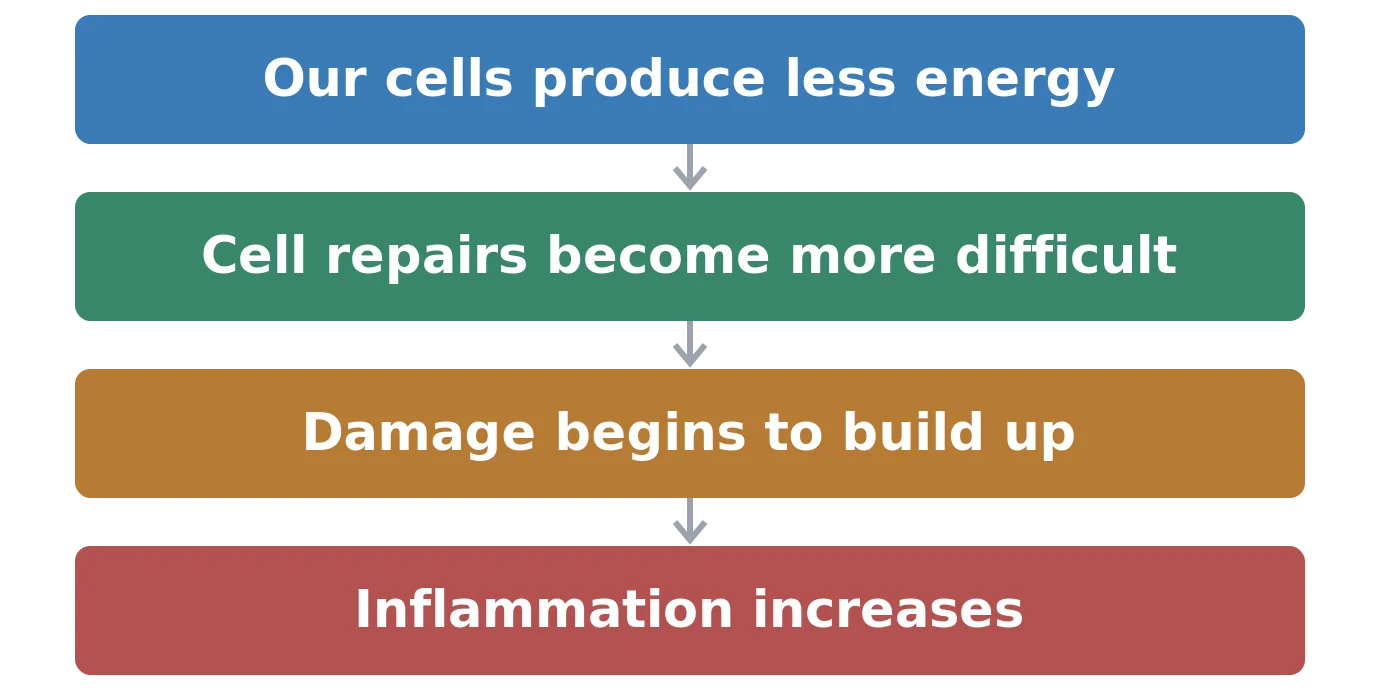
Figure 1. How problems inside our cells can build upon one another as we grow older. Adapted from Castelli et al. (2026).
As shown in Figure 1, these problems are connected. When one part of a cell stops working properly, it can make life more difficult for other parts of the cell.
Why Our Bodies Need Free Radicals
Most people have probably heard that free radicals are bad for us. But did you know that our bodies actually need them?
When our cells turn food into energy, they naturally produce free radicals and other similar substances. Too many of these substances can damage our cells, much like rust gradually damages metal. Our bodies make their own protective substances, known as antioxidants, to help keep this damage under control.
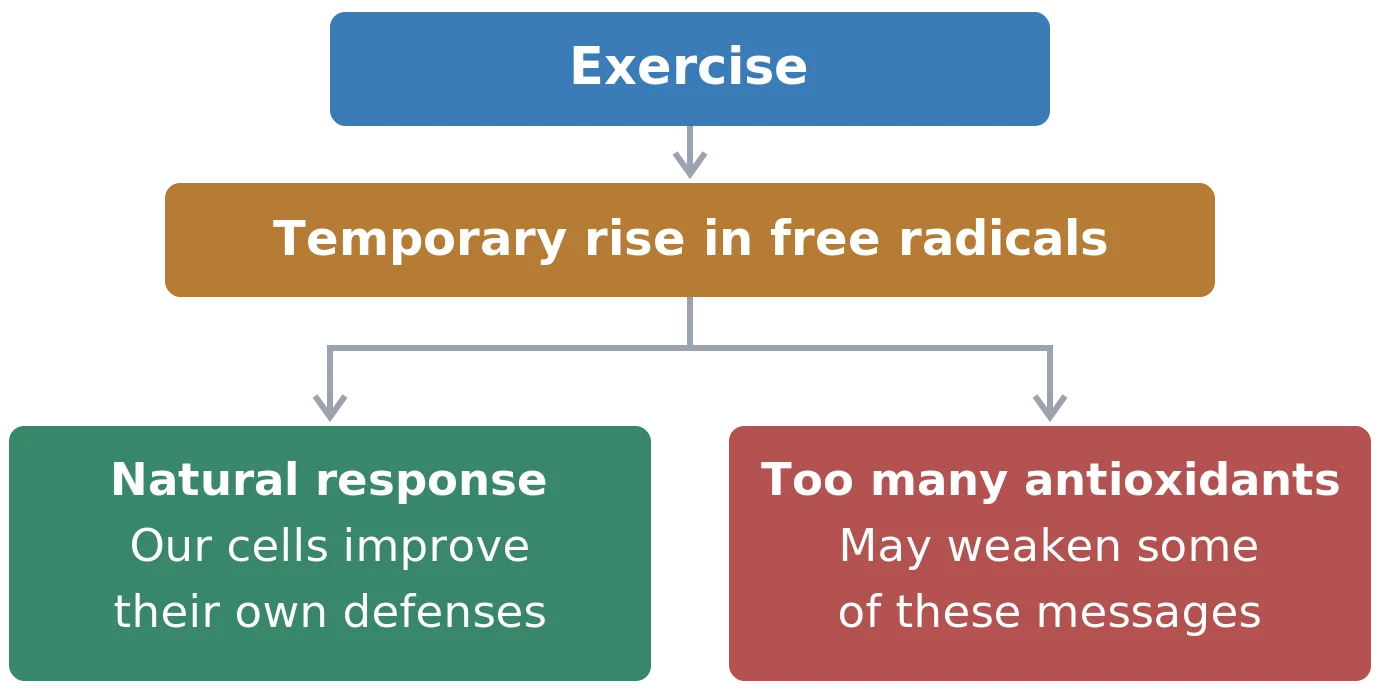
However, free radicals also have another job. When you exercise, your muscles temporarily produce more of them. This helps send a message to your body that it needs to become stronger and better at dealing with physical stress. Your cells respond by improving some of their natural defenses and their ability to produce energy.
Without these messages, our bodies may not benefit from exercise in quite the same way.
Can Eating Less Help Us Live Longer?
Scientists have known for many years that reducing the amount of food certain animals eat can help them live longer. The idea is to provide the animals with fewer calories while making sure they still receive all the nutrients they need.
But does the same thing happen in humans?
When we eat less, our bodies change the way they use energy. Instead of constantly using energy to grow and build new parts, our cells may spend more time repairing and cleaning themselves. Scientists call one of these cleaning processes autophagy. You can think of it as a recycling service inside your cells that breaks down old and damaged parts so that some of the materials can be used again. Research in humans has also shown that eating fewer calories can improve blood sugar levels and reduce some signs of inflammation.
However, no human study has yet demonstrated how many additional years we could live by eating fewer calories. There is also a risk of losing muscle and becoming physically weaker if we do not eat enough. This is particularly important as we grow older.
Is Intermittent Fasting Worth Doing?
Intermittent fasting is a way of eating that involves going for certain periods without food. For example, if you finish dinner at six in the evening and eat breakfast at eight the following morning, you have gone 14 hours without eating.
The researchers examined several studies involving intermittent fasting. They found that it can help people lose weight and improve their blood sugar levels, particularly if they are overweight. Going without food for a while may also help our cells clean up some of the damage that builds up inside them. However, we still don't know how much fasting is needed to produce these benefits throughout the human body, or whether fasting can actually help us live longer.
Three Ways of Eating That May Help Us Age Better
The researchers examine three popular ways of eating: the Mediterranean diet, plant-based diets and the DASH diet. While there are differences between them, all three encourage people to eat plenty of fruits, vegetables and other nutritious foods.
The Mediterranean Diet
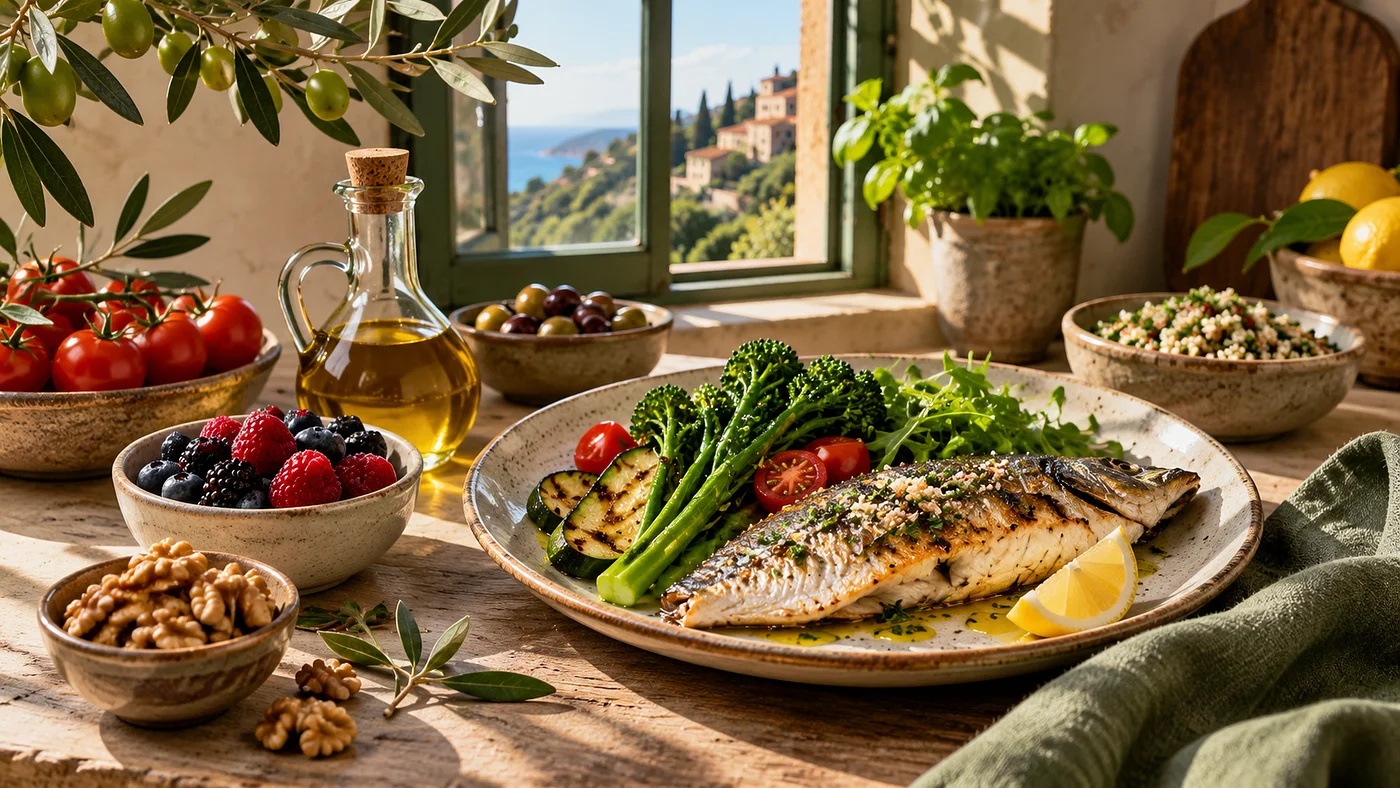
This way of eating includes plenty of vegetables, fruits, fish, olive oil, nuts and beans. Many of these foods contain natural substances that may help protect our cells and reduce inflammation. Extra virgin olive oil, for example, contains a substance called hydroxytyrosol, which scientists are studying for its protective effects. Fish provides healthy fats that our brains, hearts and other organs need, while vegetables, fruits and beans provide fiber that helps feed the beneficial bacteria inside our intestines.
Plant-Based Diets
Eating plenty of vegetables, fruits, beans, nuts and whole grains can provide our bodies with a wide variety of vitamins, minerals and other useful substances. Studies discussed in the review suggest that such diets may help reduce inflammation and protect our cells from damage.
People who avoid all animal products, however, need to make sure they receive enough essential nutrients, particularly vitamin B12.
The DASH Diet
The DASH diet was originally developed to help people lower their blood pressure. It encourages the consumption of vegetables, fruits, whole grains and low-fat dairy products while limiting salt.
Interestingly, studies have found that this way of eating may also help reduce inflammation inside the body.
| Mediterranean |
Fish, vegetables, olive oil, fruits and nuts |
Heart health and reduced inflammation |
| Plant-based |
Vegetables, beans, fruits and whole grains |
Better blood sugar control and reduced inflammation |
| DASH |
Fruits, vegetables, whole grains and low-fat dairy |
Lower blood pressure and reduced inflammation |
Table 1. Three ways of eating examined in the scientific review.
Although these diets have different names, much of their value comes from the nutritious foods they have in common.
Getting Enough Vitamins and Minerals
As we grow older, getting enough vitamins and minerals can become more difficult. Some older people eat less than they used to, while others may have trouble absorbing certain nutrients from their food.
Vitamin B12 is particularly important because our nerves need it to work properly. Not getting enough can cause problems with memory, movement and the production of healthy blood cells. Vitamin D helps maintain healthy bones and muscles, but people who spend very little time outdoors may not produce enough of it.
Our bodies also need minerals such as zinc, selenium, iron, copper and manganese. These minerals help our cells produce energy, repair damage and protect themselves. Without enough of them, many of the body's natural protective systems cannot work properly.
That doesn't mean taking more is always better. Selenium is a perfect example. Our bodies need small amounts of it, but too much can be harmful.
The Problem With Taking Too Many Antioxidants
Many people believe that taking large amounts of antioxidants will help them live longer. After all, if free radicals can damage our cells, wouldn't getting rid of as many of them as possible be a good thing?
Not necessarily.
Think about what happens when you exercise. You place your body under stress, and your body responds by becoming better prepared to handle that stress the next time you exercise. Some of the free radicals produced during exercise help send the messages that make this possible. The researchers explain that taking large amounts of certain antioxidant supplements, especially vitamins C and E, may interfere with these messages and reduce some of the benefits we normally receive from exercise.