The Science of Eating for a Longer, Healthier Life

Your content goes here.

The Science of Eating for a Longer, Healthier Life

By Tony Ruggia | I AM LONGEVITY | Nutrition | November 26, 2026

What should we eat if we want to remain healthy well into our 80s, 90s or even beyond? Should we eat less, go for longer periods without food or concentrate more on the quality of the food we put on our plates?

A scientific review published on February 24, 2026, in the journal Molecules explores these questions. Throughout the 43-page review, researchers examine how different eating habits, vitamins, minerals and natural substances found in everyday foods may help our bodies stay healthy as we grow older. They also explain why taking too many antioxidants could interfere with some of the benefits of exercise, why certain supplements are difficult for our bodies to absorb and how the way food is prepared can affect its nutritional value.

One particularly interesting finding is that some of the things we have been taught to think of as harmful may actually be good for us in the right amounts.

What Happens Inside Our Bodies as We Grow Older?

Our bodies are constantly repairing themselves. Even while we sleep, our cells are busy fixing damage, getting rid of waste and replacing worn-out parts. Much of this happens without us ever being aware of it.

As we grow older, however, our bodies gradually become less efficient at carrying out these jobs. The tiny structures inside our cells that produce energy, known as mitochondria, can become damaged. Our cells may also struggle to repair their DNA, which contains the instructions they need to work properly. Some damaged cells even remain inside our tissues when they are no longer able to carry out their normal jobs. These cells can release substances that cause inflammation and create problems for nearby healthy cells. Over many years, these changes can affect how well our organs work.

What we eat may help our bodies deal with some of these problems.

Figure 1. How problems inside our cells can build upon one another as we grow older. Adapted from Castelli et al. (2026).

As shown in Figure 1, these problems are connected. When one part of a cell stops working properly, it can make life more difficult for other parts of the cell.

Why Our Bodies Need Free Radicals

Most people have probably heard that free radicals are bad for us. But did you know that our bodies actually need them?

When our cells turn food into energy, they naturally produce free radicals and other similar substances. Too many of these substances can damage our cells, much like rust gradually damages metal. Our bodies make their own protective substances, known as antioxidants, to help keep this damage under control.

However, free radicals also have another job. When you exercise, your muscles temporarily produce more of them. This helps send a message to your body that it needs to become stronger and better at dealing with physical stress. Your cells respond by improving some of their natural defenses and their ability to produce energy.

Without these messages, our bodies may not benefit from exercise in quite the same way.

Can Eating Less Help Us Live Longer?

Scientists have known for many years that reducing the amount of food certain animals eat can help them live longer. The idea is to provide the animals with fewer calories while making sure they still receive all the nutrients they need.

But does the same thing happen in humans?

When we eat less, our bodies change the way they use energy. Instead of constantly using energy to grow and build new parts, our cells may spend more time repairing and cleaning themselves. Scientists call one of these cleaning processes autophagy. You can think of it as a recycling service inside your cells that breaks down old and damaged parts so that some of the materials can be used again. Research in humans has also shown that eating fewer calories can improve blood sugar levels and reduce some signs of inflammation.

However, no human study has yet demonstrated how many additional years we could live by eating fewer calories. There is also a risk of losing muscle and becoming physically weaker if we do not eat enough. This is particularly important as we grow older.

Is Intermittent Fasting Worth Doing?

Intermittent fasting is a way of eating that involves going for certain periods without food. For example, if you finish dinner at six in the evening and eat breakfast at eight the following morning, you have gone 14 hours without eating.

The researchers examined several studies involving intermittent fasting. They found that it can help people lose weight and improve their blood sugar levels, particularly if they are overweight. Going without food for a while may also help our cells clean up some of the damage that builds up inside them. However, we still don't know how much fasting is needed to produce these benefits throughout the human body, or whether fasting can actually help us live longer.

Three Ways of Eating That May Help Us Age Better

The researchers examine three popular ways of eating: the Mediterranean diet, plant-based diets and the DASH diet. While there are differences between them, all three encourage people to eat plenty of fruits, vegetables and other nutritious foods.

The Mediterranean Diet

This way of eating includes plenty of vegetables, fruits, fish, olive oil, nuts and beans. Many of these foods contain natural substances that may help protect our cells and reduce inflammation. Extra virgin olive oil, for example, contains a substance called hydroxytyrosol, which scientists are studying for its protective effects. Fish provides healthy fats that our brains, hearts and other organs need, while vegetables, fruits and beans provide fiber that helps feed the beneficial bacteria inside our intestines.

Plant-Based Diets

Eating plenty of vegetables, fruits, beans, nuts and whole grains can provide our bodies with a wide variety of vitamins, minerals and other useful substances. Studies discussed in the review suggest that such diets may help reduce inflammation and protect our cells from damage.

People who avoid all animal products, however, need to make sure they receive enough essential nutrients, particularly vitamin B12.

The DASH Diet

The DASH diet was originally developed to help people lower their blood pressure. It encourages the consumption of vegetables, fruits, whole grains and low-fat dairy products while limiting salt.

Interestingly, studies have found that this way of eating may also help reduce inflammation inside the body.

Dietary pattern Main foods Possible benefits
Mediterranean Fish, vegetables, olive oil, fruits and nuts Heart health and reduced inflammation
Plant-based Vegetables, beans, fruits and whole grains Better blood sugar control and reduced inflammation
DASH Fruits, vegetables, whole grains and low-fat dairy Lower blood pressure and reduced inflammation

Table 1. Three ways of eating examined in the scientific review.

Although these diets have different names, much of their value comes from the nutritious foods they have in common.

Getting Enough Vitamins and Minerals

As we grow older, getting enough vitamins and minerals can become more difficult. Some older people eat less than they used to, while others may have trouble absorbing certain nutrients from their food.

Vitamin B12 is particularly important because our nerves need it to work properly. Not getting enough can cause problems with memory, movement and the production of healthy blood cells. Vitamin D helps maintain healthy bones and muscles, but people who spend very little time outdoors may not produce enough of it.

Our bodies also need minerals such as zinc, selenium, iron, copper and manganese. These minerals help our cells produce energy, repair damage and protect themselves. Without enough of them, many of the body's natural protective systems cannot work properly.

That doesn't mean taking more is always better. Selenium is a perfect example. Our bodies need small amounts of it, but too much can be harmful.

The Problem With Taking Too Many Antioxidants

Many people believe that taking large amounts of antioxidants will help them live longer. After all, if free radicals can damage our cells, wouldn't getting rid of as many of them as possible be a good thing?

Not necessarily.

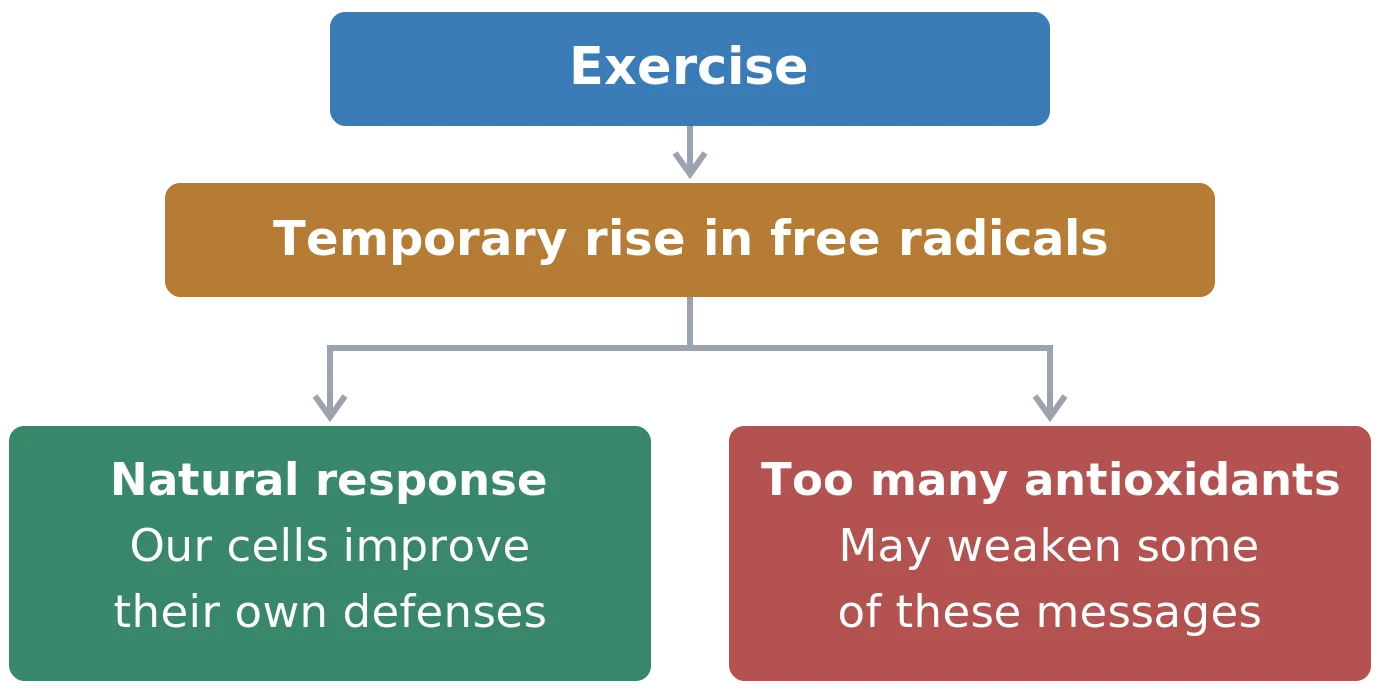
Think about what happens when you exercise. You place your body under stress, and your body responds by becoming better prepared to handle that stress the next time you exercise. Some of the free radicals produced during exercise help send the messages that make this possible. The researchers explain that taking large amounts of certain antioxidant supplements, especially vitamins C and E, may interfere with these messages and reduce some of the benefits we normally receive from exercise.
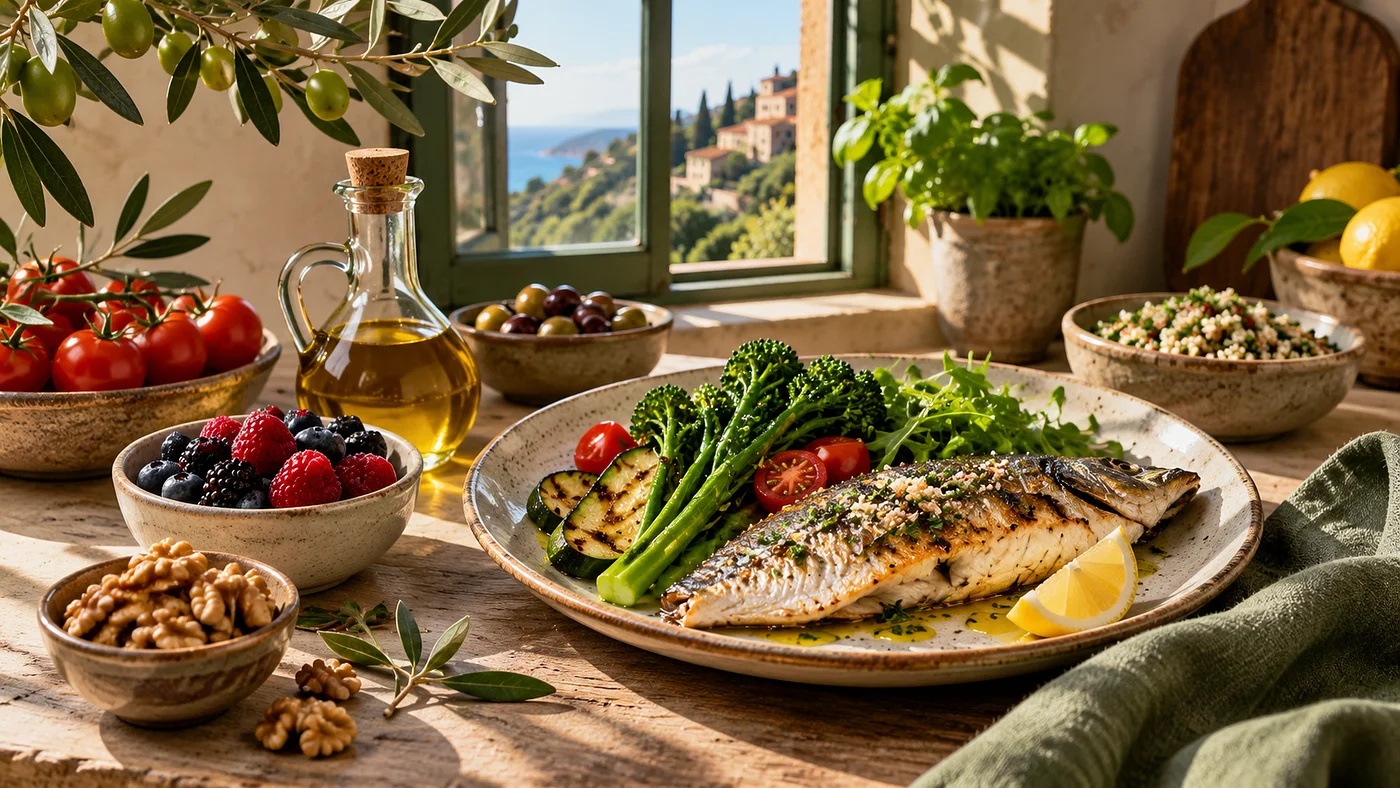
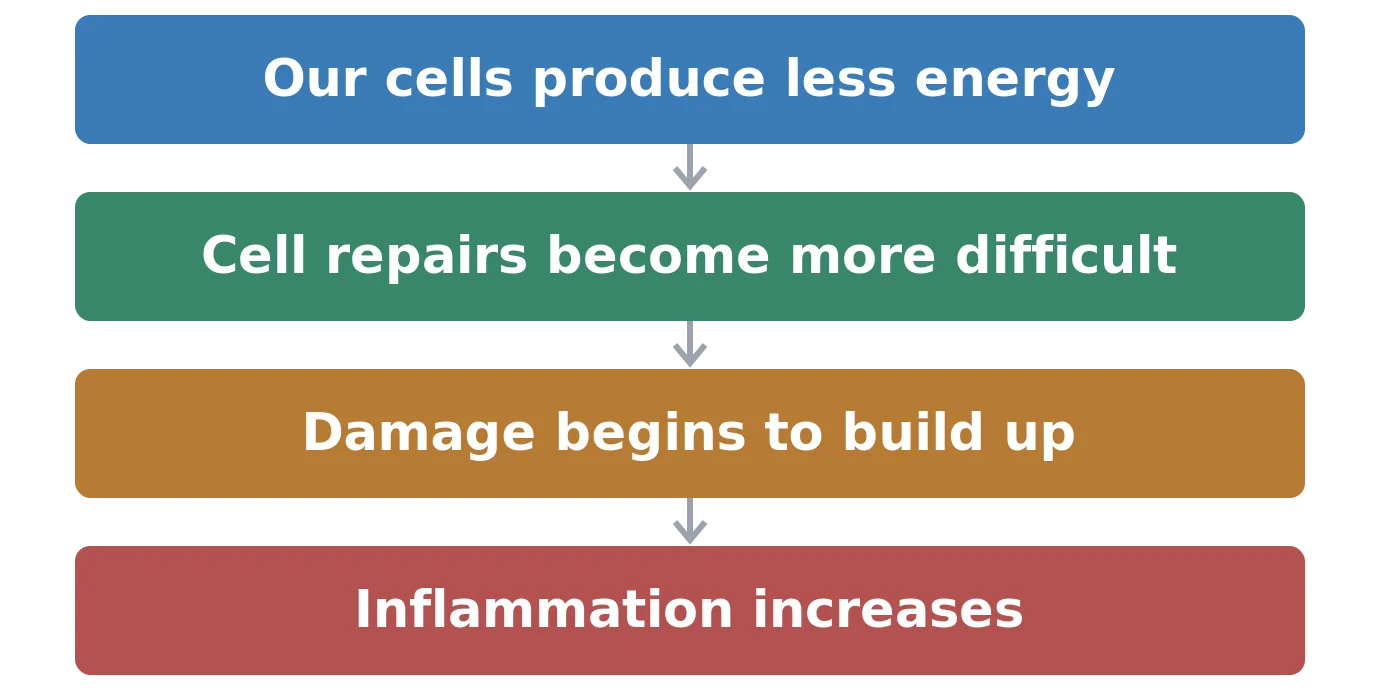
Figure 2. Taking large amounts of certain antioxidants may interfere with some of the benefits of exercise.

As shown in Figure 2, our bodies can actually benefit from a temporary increase in free radicals.

This does not mean we should stop eating foods that contain antioxidants. There is a considerable difference between eating a bowl of blueberries and taking a supplement containing an extremely large amount of a single antioxidant.

Natural Substances Found in Everyday Foods

One of the fascinating things about food is that it contains far more than just protein, carbohydrates, fats, vitamins and minerals. Many plants contain natural substances that scientists are now studying because of the ways they may help protect our bodies.

Some of these substances are found in foods that most of us can easily buy at our local supermarket.

Resveratrol

Found in grapes, berries and peanuts, resveratrol has attracted considerable interest among scientists studying longevity. Experiments suggest that it may help our cells produce energy and protect themselves from damage. Unfortunately, our bodies break down resveratrol quite quickly, and studies in humans have produced mixed results.

Quercetin, Apigenin and EGCG

Onions, apples, parsley and green tea contain some particularly interesting natural substances.

What makes these substances interesting is that they may encourage our bodies to make more of their own protective substances rather than simply protecting our cells directly. Scientists are also investigating whether they can help reduce inflammation and keep the tiny power stations inside our cells working properly. While some human studies have reported improvements in blood sugar levels and other signs of good health, there is still no proof that taking these substances will help humans live longer.

Carotenoids

The orange color of carrots and the red color of tomatoes come largely from substances known as carotenoids. These include beta-carotene, lycopene and lutein. Scientists are studying their ability to protect our cells, and some carotenoids are particularly important for maintaining healthy eyes.

Curcumin

Curcumin is the substance that gives turmeric its bright yellow color. Much of the research surrounding curcumin focuses on its ability to reduce inflammation. Some human studies have produced encouraging results, but curcumin has a problem: our bodies are not particularly good at absorbing it.

The following table shows where several of the natural substances discussed in the review can be found.

Natural substance Where to find it Why scientists are interested
Resveratrol Grapes, berries, peanuts Helping cells produce energy
Quercetin Onions, apples Reducing inflammation
Apigenin Parsley, celery, chamomile Helping cells protect themselves
Luteolin Celery, peppers Reducing inflammation
EGCG Green tea Protecting cells from damage
Beta-carotene Carrots, sweet potatoes Supporting cellular protection
Lycopene Tomatoes, watermelon Protecting cells from damage
Lutein Spinach, kale Protecting eye health
Curcumin Turmeric Reducing inflammation

Table 2. Natural substances found in everyday foods and their potential benefits.

Why Eating Fish May Help Us Age Better

Every cell in your body is surrounded by a thin, flexible covering. This covering allows nutrients to enter the cell and helps it receive messages from other parts of the body. As we grow older, changes in this covering can make it more difficult for our cells to work properly.

The healthy fats found in fish, particularly two omega-3 fatty acids called EPA and DHA, help maintain these coverings. This is especially important for the cells inside our brains, which need to communicate with one another constantly. Our bodies also use these fats to make substances that help bring inflammation under control. The review discusses research showing that people with higher amounts of EPA and DHA in their red blood cells tend to have lower levels of certain substances associated with inflammation.

Fish such as sardines, salmon, herring and mackerel are good sources of these healthy fats.

Looking After the Bacteria Inside Our Intestines

There are trillions of tiny living organisms inside our intestines. Many of them actually help keep us healthy.

When we eat foods containing fiber, such as vegetables, fruits and beans, we are not just feeding ourselves. We are also feeding some of these bacteria. As they break down the fiber, they produce substances that help keep the walls of our intestines healthy. This is important because the walls of our intestines act as a protective barrier, preventing many unwanted substances from entering our bloodstream. As we grow older, this barrier can become weaker, allowing substances produced by certain bacteria to enter our bloodstream more easily and cause inflammation elsewhere in our bodies.

The researchers examined studies involving beneficial bacteria known as probiotics, including Lactobacillus and Bifidobacterium. Some studies found that these bacteria helped reduce signs of inflammation. However, different types of bacteria can have different effects, and more research is needed to determine which ones are most helpful for older people.

How Food Processing Affects Our Food

A food may contain plenty of vitamins when it is freshly harvested, but how much of those vitamins will remain by the time we eat it?

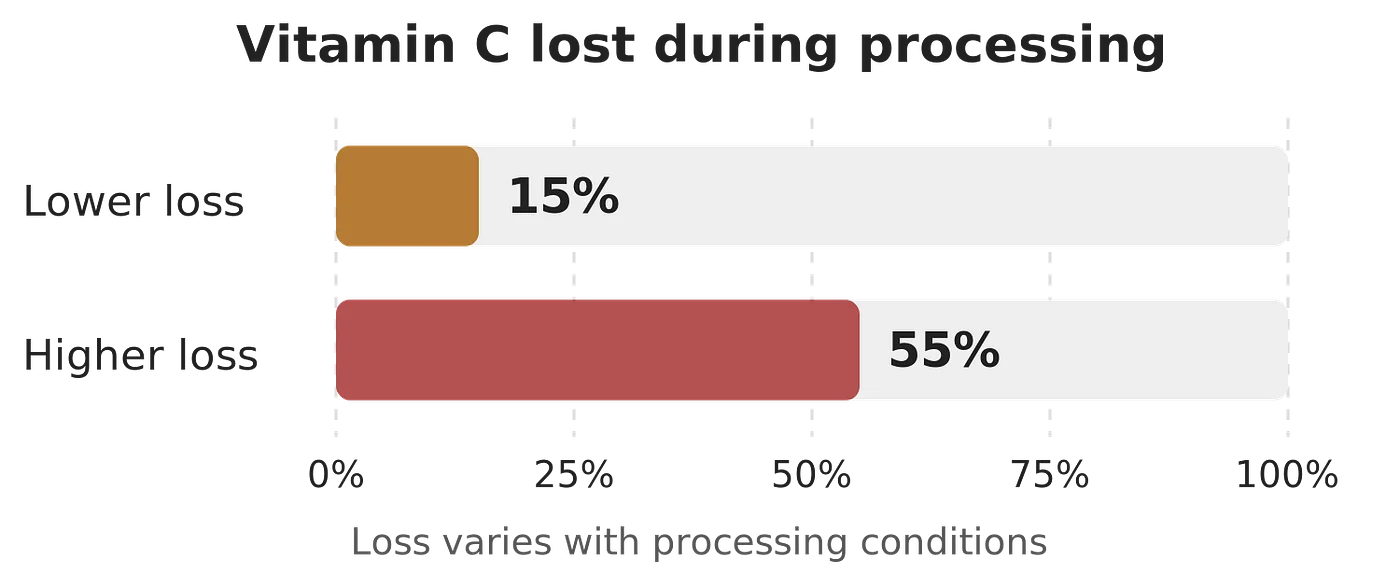
Vitamin C is particularly sensitive to heat. The researchers report that certain food processing methods involving high temperatures can destroy between 15% and 55% of the vitamin C originally found in the food. Healthy fats such as omega-3 fatty acids can also become damaged when exposed to heat, air and light for prolonged periods.

Figure 3. The amount of vitamin C that may be lost during certain high-temperature food processing methods.

However, processing food is not always a bad thing. Some methods can help preserve nutrients or make food safer to eat. Freeze-drying, for example, removes water from food at very low temperatures and can help preserve many of its natural substances. Scientists are also developing methods that use extremely high pressure to destroy harmful bacteria without exposing the food to very high temperatures.

The figures shown in Figure 3 refer to particular processing methods. They do not mean that we lose this much vitamin C every time we cook a meal.

Are We Absorbing the Nutrients We Consume?

Suppose you take a supplement containing 500 milligrams of curcumin. How much of that curcumin do you think will actually reach your bloodstream?

Probably far less than you imagine.

Before a substance can reach different parts of our bodies, it must first survive the conditions inside our stomachs and pass through the walls of our intestines. Some substances are broken down during digestion, while others are changed by the liver or removed from the body before they have much chance to reach our tissues. This helps explain why a substance that produces impressive results when placed directly onto cells in a laboratory may produce very different results when someone swallows it.

Scientists are now experimenting with ways of placing these substances inside tiny protective particles. Some of these particles are made from fats and can help protect the substances during digestion, making it easier for our bodies to absorb them.

But better absorption does not necessarily mean greater health benefits. That still needs to be proven.

My Perspective

One of the most important things discussed in this scientific review is the relationship between antioxidants and exercise.

Many people concentrate on protecting their bodies from damage by taking supplements, yet our bodies already have their own protective systems. Exercise helps strengthen some of these systems. This raises an interesting question: if we are constantly trying to remove free radicals by taking large amounts of antioxidants, could we also be interfering with some of the very processes that help our bodies remain healthy?

I also think we need to be careful about the way we interpret studies involving nutrition and longevity. We frequently hear about natural substances that reduce inflammation, protect DNA or help our cells produce energy. These are certainly important findings, but how much do they tell us about the ability of the entire human body to remain healthy and physically capable as it grows older? A person could have excellent blood test results and still gradually lose the ability to run, jump, maintain balance or move quickly. We cannot overlook these changes simply because certain measurements taken in a laboratory look good.

There is currently no evidence that a food or supplement can replace the benefits our bodies receive from physical exercise.

I would like to see more long-term nutritional studies that measure not only what happens inside our cells but also how well people can move and function as they grow older.

Conclusion

This scientific review provides a fascinating look at how the foods we eat can help our bodies protect themselves. It also reminds us that eating less, taking more antioxidants or consuming larger amounts of supplements does not automatically mean we will live longer.

Many of the substances being investigated by longevity researchers are already found in ordinary foods. Eating a wide variety of nutritious foods, getting enough essential vitamins and minerals and staying physically active are practical things we can do throughout our lives. While scientists continue to investigate new ways of helping us live longer, there is still much we can do today to protect our health as we grow older.

Reference

Castelli, S., Aiello, G., Aiello, V., Massimino, E., Pieri, M., Amoah, I., Lombardo, M., Tripodi, G., & Baldelli, S. (2026). Nutritional Strategies and Aging: Current Evidence and Future Directions. Molecules, 31(5), 756.

https://doi.org/10.3390/molecules31050756